







Fresh Dog Food FAQ: Is It Worth the Cost?
Answering the most common questions we hear about fresh dog food: cost, homemade diets, and raw vs. lightly cooked.
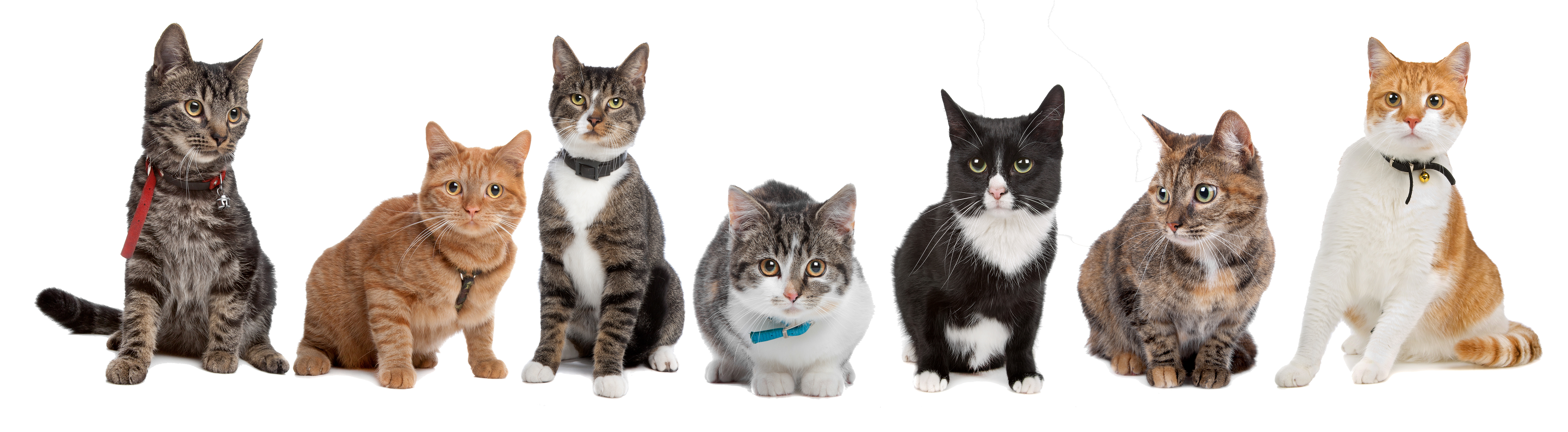
Switching your dog or cat to fresh food is one of the best things you can do for their long-term health — but jumping in overnight can upset a sensitive stomach. Here's exactly how to do it right, based on the transition plan we give every new Meals For Dogs customer.
Your pet's gut is used to their current food. Switching too fast can cause loose stools or an upset tummy, even when the new food is healthier. A slow transition lets their digestive system adjust smoothly.
Puppies and kittens can eat up to three meals a day, while adult dogs and cats generally do best with two servings — morning and evening. Every pet is different, so adjust portions for their age, size, and activity level.
Some loose stool during the transition is normal. If you notice excessive diarrhea or your pet seems uncomfortable, slow down — reduce the fresh food ratio slightly and give their system more time before increasing again.
For the complete week-by-week guide, portion recommendations by weight, and answers to common transition questions, visit our full Feeding Guidelines page. And if you're ready to get started, browse our fresh meals for dogs and cats — all prepared in small batches at our Fort Lauderdale kitchen.